

Quantitative Methods in Education Group
We bring together researchers to advance quantitative methods in education research, policymaking, and professional practice.

External resources
Training, data, software and open research tools that QMEG members use and recommend to colleagues and students. All links open on the provider’s own website.
At the University of Southampton
Methods expertise and support elsewhere in the University.
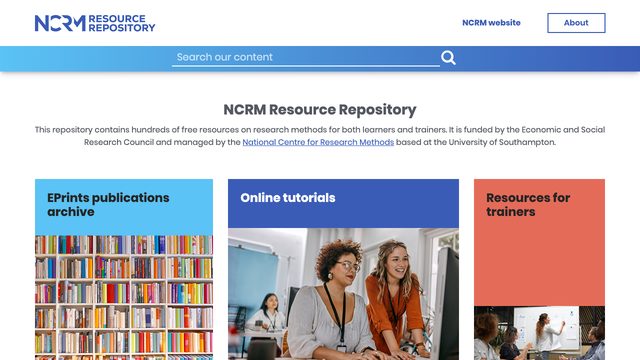
National Centre for Research Methods
Free training materials, videos and podcasts on quantitative, qualitative and mixed methods from the ESRC-funded centre hosted at Southampton.
Southampton Research Software Group (SRSG)
Research software engineers who build and review research software, and run software development training for postgraduate researchers and staff.
Statistical Sciences Research Institute (S3RI)
Southampton’s institute for statistics and demography methodology, and one of the largest groups of university statisticians in the UK.
Data, Intelligence and Society (DAIS)
A research group in Electronics and Computer Science that studies large-scale systems combining computational, data and human components.
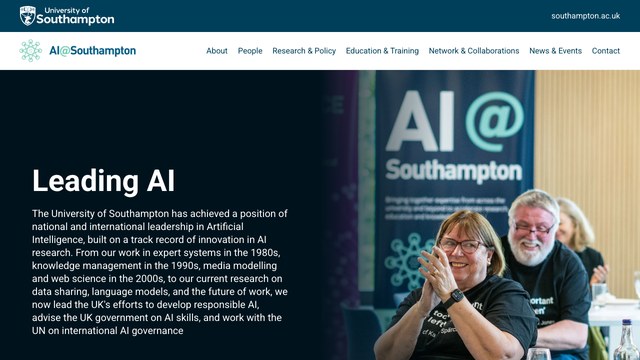
AI@Southampton
The University’s initiative bringing together researchers from all disciplines who work on artificial intelligence, with news, events, research and training on responsible AI.
Data for secondary analysis
Open and safeguarded datasets that are widely used in education research.
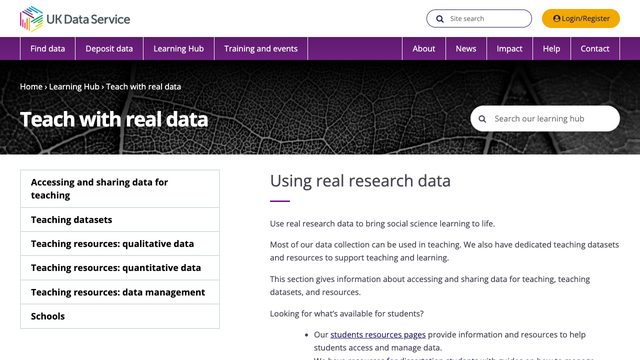
UK Data Service: teach with real data
Datasets and guides for using real survey data in methods teaching, from the UK Data Service.
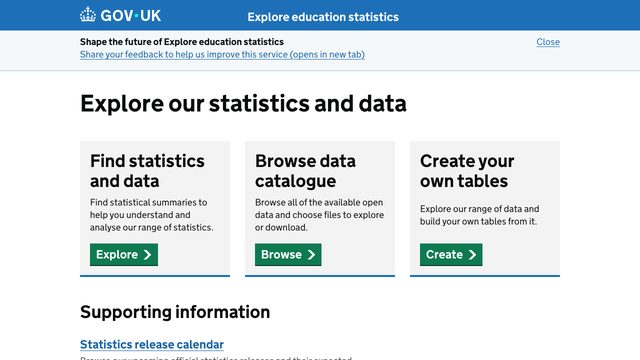
Explore education statistics
Official statistics on schools, pupils, attainment and the education workforce in England. Build and download your own tables.
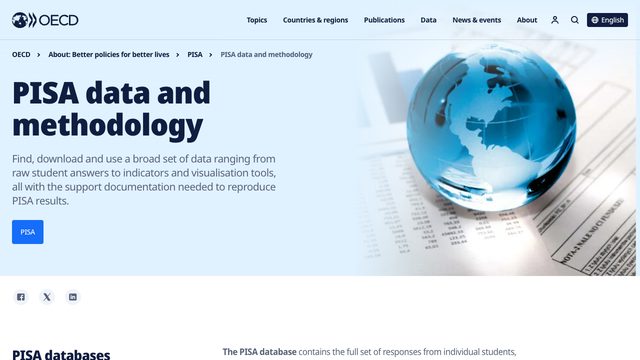
PISA data
Student, school and teacher data from each cycle of the OECD’s Programme for International Student Assessment, with technical documentation.
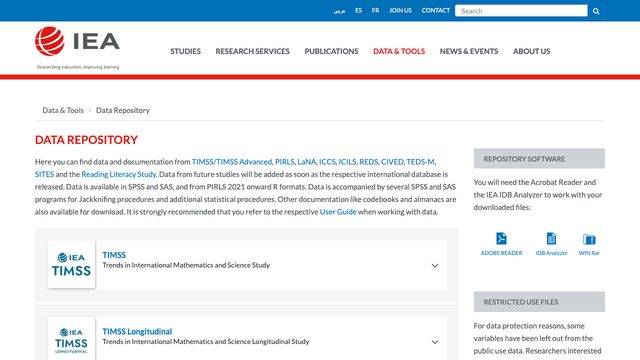
IEA data repository
Data from international studies such as TIMSS, PIRLS and ICILS, run by the International Association for the Evaluation of Educational Achievement.
Learning methods and software
Courses and software for the models QMEG members use most often.
Centre for Multilevel Modelling
The University of Bristol centre behind the MLwiN and Stat-JR software, with training workshops and resources on multilevel modelling. It also runs the free LEMMA online course.
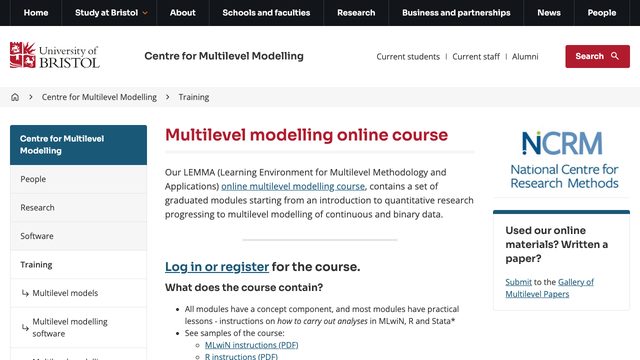
LEMMA multilevel modelling course
A free online course in multilevel modelling from the Centre for Multilevel Modelling at the University of Bristol, with examples in several software packages.
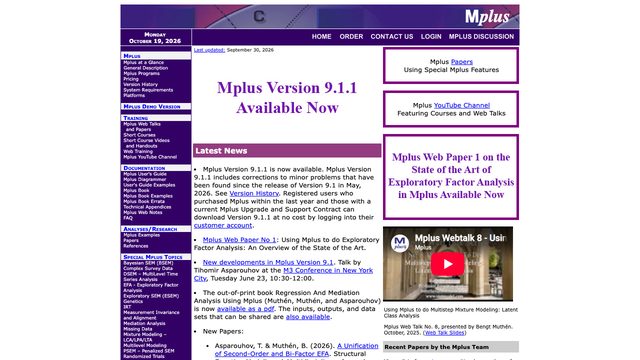
Mplus
Software for structural equation, latent variable and multilevel models. The site hosts the user’s guide, worked examples and a discussion forum. Mplus needs a paid licence.
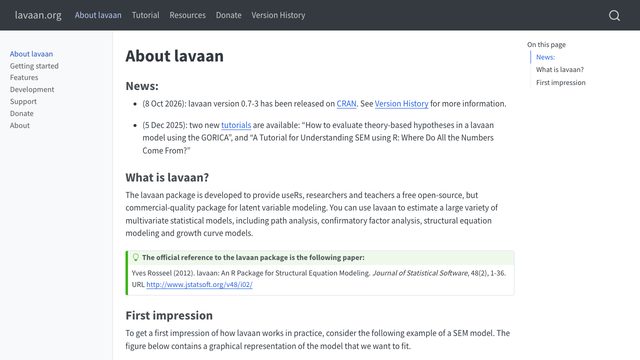
lavaan
A free R package for structural equation modelling, with a tutorial for new users.
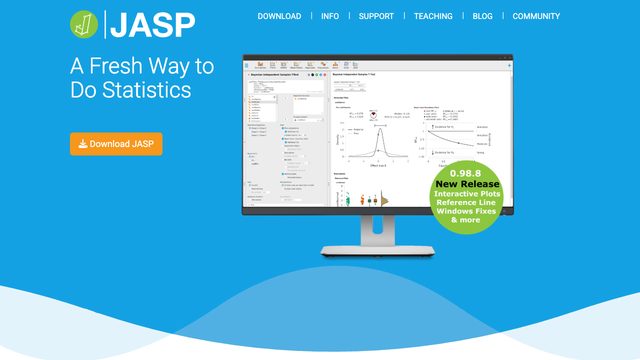
JASP
Free, open-source statistics software with a point-and-click interface, covering both frequentist and Bayesian analyses.
Open research
Tools and networks for making research transparent and reproducible.

Evidence on what works
Syntheses of education research that summarise effects across many studies.
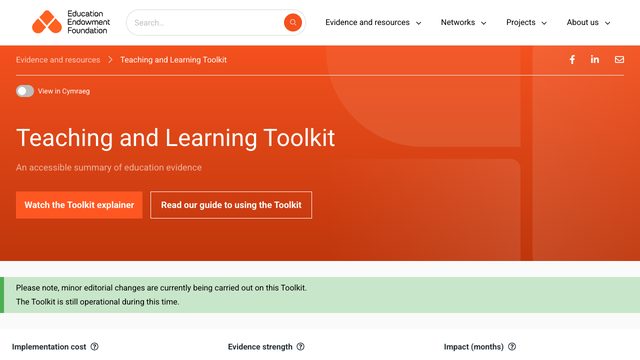
EEF Teaching and Learning Toolkit
Summaries of evidence on common teaching approaches, rated by cost, impact and strength of evidence.
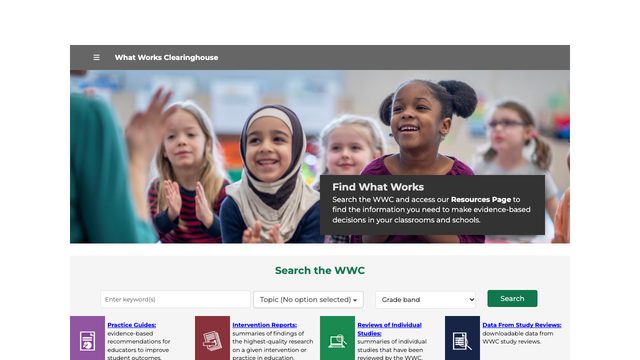
What Works Clearinghouse
Reviews of education research by the US Institute of Education Sciences, with published standards for judging study quality.
Campbell Collaboration
Systematic reviews and evidence maps on education and other areas of social policy.
Stay Up to Date
Join the QMEG mailing list to receive updates on upcoming events, new resources, and collaboration opportunities.
Or contact us directly: J.E.Hall@soton.ac.uk